Research Faculty

Address
630 West 168 Street
Room 15-408
New York, NY 10032

Phone: 212-342-5648
Fax:

ss2479@columbia.edu
Education and Training
M.D. 1978 University of Chicago
Research Fellowship 1980-81 University of Rochester
Research Fellowship 1983-85 National Institutes of Health
Residency 1978-80 University of Rochester School of Medicine
Residency 1981-83 University
Steven Spitalnik, M.D.
Professor of Pathology and Cell Biology
Vice Chairman for Clinical Pathology
Research Summary

As a glycobiologist, I am interested in the biochemistry, cell biology, and immunology of glycoproteins and glycolipids.

Biology of the human glycophorin blood group antigens
Glycophorin A is the most abundant glycoprotein on human RBC and carries various oligosaccharide, peptide, and glycopeptide blood group antigens. It is important in transfusion medicine because antibodies recognizing these antigens cause autoimmune hemolytic anemia, hemolytic transfusion reactions, and hemolytic disease of the newborn. We are currently using glycophorin A as a model "mini-mucin" to study the rules governing site-specific O-glycosylation. In addition, we are using Fab phage display methods and x-ray crystallography to study the interactions of blood group M- and N-specific monoclonal antibodies with their corresponding glycopeptide antigens. Finally, we are using human glycophorin A transgenic mice to develop animal models of hemolytic transfusion reactions and hemolytic disease of the newborn.

Glycobiology of Toxoplasma gondii
T. gondii is an obligate intracellular single-celled protozoan parasite and human pathogen that causes asymptomatic infections in healthy individuals and chronic, life threatening infections in immunocompromised patients. Given its small haploid genome, the completion of the T. gondii genome project, its ease of culture in vitro and in vivo, the availability of powerful methods for creating knockout and transgenic organisms, and the presence of a well-defined and well-characterized secretory pathway, it has become a very useful model for pathobiological, cell biological, and genetic studies. We are using T. gondii as a model to study the role that mucin-type O-glycosylation plays in the pathobiology of toxoplasmosis. In addition, given that T. gondii has a simple developmental program with three distinct life forms (tachyzoites, bradyzoites, and sporozoites), it offers an excellent opportunity for studying the role of mucin-type O-glycosylation in development. We are currently completing the cloning, expression, and enzymatic characterization of the entire family of five polypeptide:GalNAc transferases encoded in the T. gondii genome. These are the enzymes responsible for initiating protein O-glycosylation. We then plan to knock out each member of this T. gondii gene family and examine the biological and biochemical phenotype of the knockout parasites.


Crystal
of the blood group N specific NNA7 Fab fragment, which diffracted
X-rays to 1.75 resolution. The crystal was photographed
under polarized light.
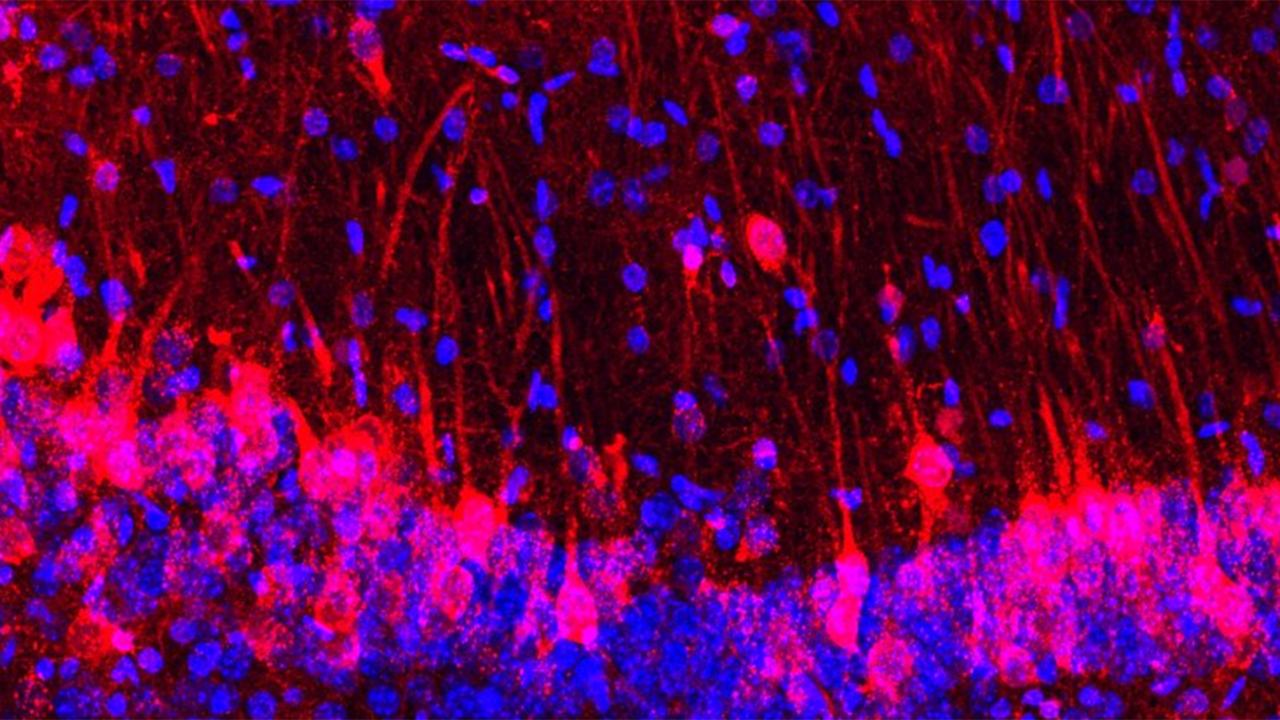
Phagocytosis of IgG-coated mouse RBC by RAW 264.7 mouse macrophage
cells.


Service Activities

Director of Laboratory Medicine with subspecialty interest and expertise in transfusion medicine

As Director of Clinical Laboratories at the CUMC campus of the NYPH, I coordinate the clinical service, educational, and scholarly activities of our division.


Selected Publications

1. Akasaka-Manya K, Manya H, Sakurai Y, Wojczyk BS, Kozutsumi Y, Saito Y, Taniguchi N, Murayama S, Spitalnik SL, Endo T. Protective effect of N-glycan bisecting GlcNAc residues on {beta}-amyloid production in Alzheimer's disease. Glycobiology. 2009 Sep 23. [Epub ahead of print]

2. Zimring JC, Spitalnik SL. To RBC or not to RBC: the role of suicidal death in hemolytic transfusion reactions. Transfusion. 2009 Sep;49(9):1776-8.

3. Gilson CR, Kraus TS, Hod EA, Hendrickson JE, Spitalnik SL, Hillyer CD, Shaz BH, Zimring JC. A novel mouse model of red blood cell storage and posttransfusion in vivo survival. Transfusion. 2009 Jul 1. [Epub ahead of print]

4. Zimring JC, Cadwell CM, Spitalnik SL. Antigen loss from antibody-coated red blood cells. Transfus Med Rev. 2009 Jul;23(3):189-204. Review.

5. Luning Prak ET, Young DS, Kamoun M, Nachamkin I, Alexander CB, Spitalnik SL, Peerschke EI, Smith BR. 2008 ACLPS panel discussion on resident education in clinical pathology. Am J Clin Pathol. 2009 May;131(5):618-22.

6. Padmanabhan A, Schwartz J, Spitalnik SL. Transfusion therapy in postpartum hemorrhage. Semin Perinatol. 2009 Apr;33(2):124-7.

7. Hod EA, Zimring JC, Spitalnik SL. Lessons learned from mouse models of hemolytic transfusion reactions. Curr Opin Hematol. 2008 Nov;15(6):601-5. Review.

8. Hod EA, Sokol SA, Zimring JC, Spitalnik SL. Hypothesis: hemolytic transfusion reactions represent an alternative type of anaphylaxis. Int J Clin Exp Pathol. 2009;2(1):71-82. Epub 2008 May 30.

9. Akasaka-Manya K, Manya H, Sakurai Y, Wojczyk BS, Spitalnik SL, Endo T. Increased bisecting and core-fucosylated N-glycans on mutant human amyloid precursor proteins. Glycoconj J. 2008 Nov;25(8):775-86. Epub 2008 Jun 3.

10. Hod EA, Cadwell CM, Liepkalns JS, Zimring JC, Sokol SA, Schirmer DA, Jhang J, Spitalnik SL. Cytokine storm in a mouse model of IgG-mediated hemolytic transfusion reactions. Blood. 2008 Aug 1;112(3):891-4. Epub 2008 May 15.

Honors and Awards

1974
Phi Beta Kappa, Princeton University

1989-1992
Mallinckrodt Scholar

1995
Peter C. Nowell Teaching Award, University of Pennsylvania

1996
Leonard Berwick Memorial Teaching Award, University of Pennsylvania

1998
Christian R. and Mary F. Lindback Foundation Teaching Award, University of Pennsylvania

2002
Faculty Mentor Award, 4th Annual Marvin J. Hoffman Day, University of Rochester

2003
Eric A. Schenk Award for Excellence in Teaching, University of Rochester

2005
Gerald T. Evans Award for outstanding leadership and service to the Academy, Academy of Clinical Laboratory Physicians and Scientists

Committees , Council, and Professional Society Memberships

Academy of Clinical Laboratory Physicians and Scientists

Representative to the Council of Academic Societies

American Association of Blood Banks

American Society for Clinical Investigation

American Society of Investigational Pathology

International Glycoconjugate Society

Society for Glycobiology

Society for Leukocyte Biology


top
 
 
Contact the Pathology Webmaster at webmaster@pathology.columbia.edu