Research Faculty

Address
630 West 168th Street
Room 15-402
New York, NY 10032


Phone: 212-305-3300
Fax: 212-305-5498

mls7@columbia.edu
Education and Training
M.D. 1966 University of Chicago
Ph.D. 1967 University of Chicago

Michael Shelanski, M.D., Ph.D.
Department Chairman, Pathology;
Delafield Professor of Pathology & Cell Biology
Research Summary

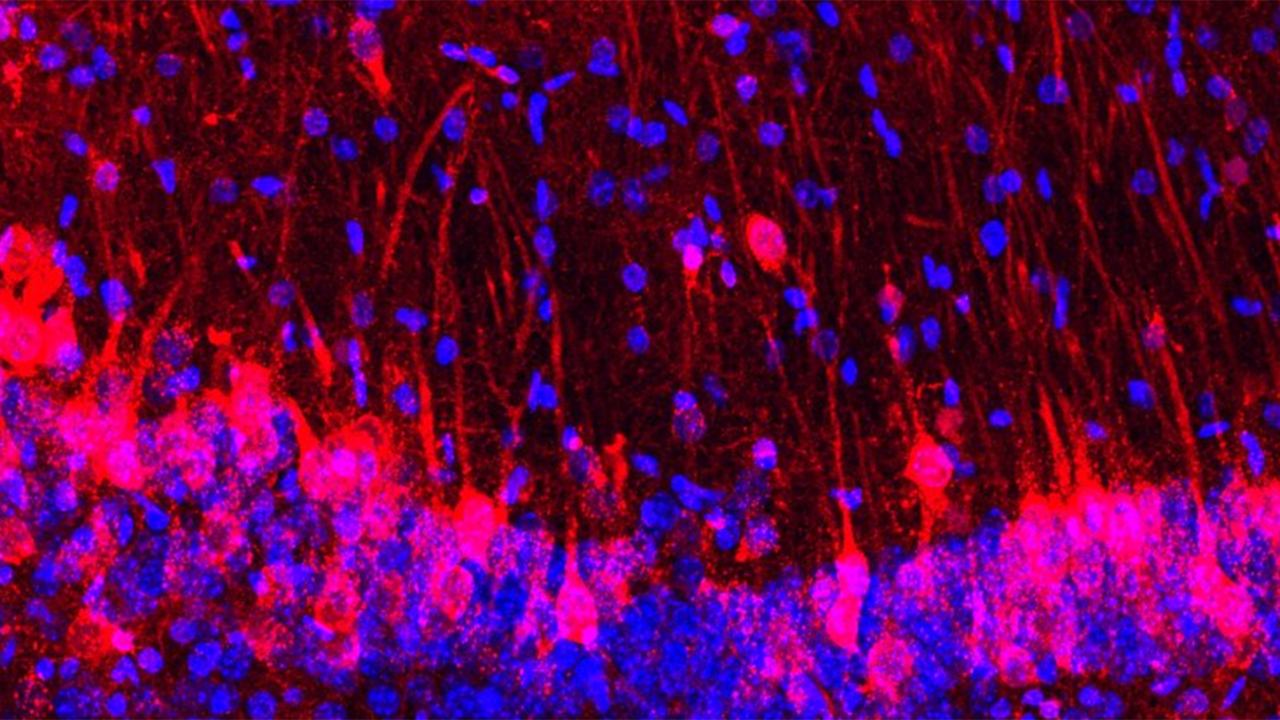
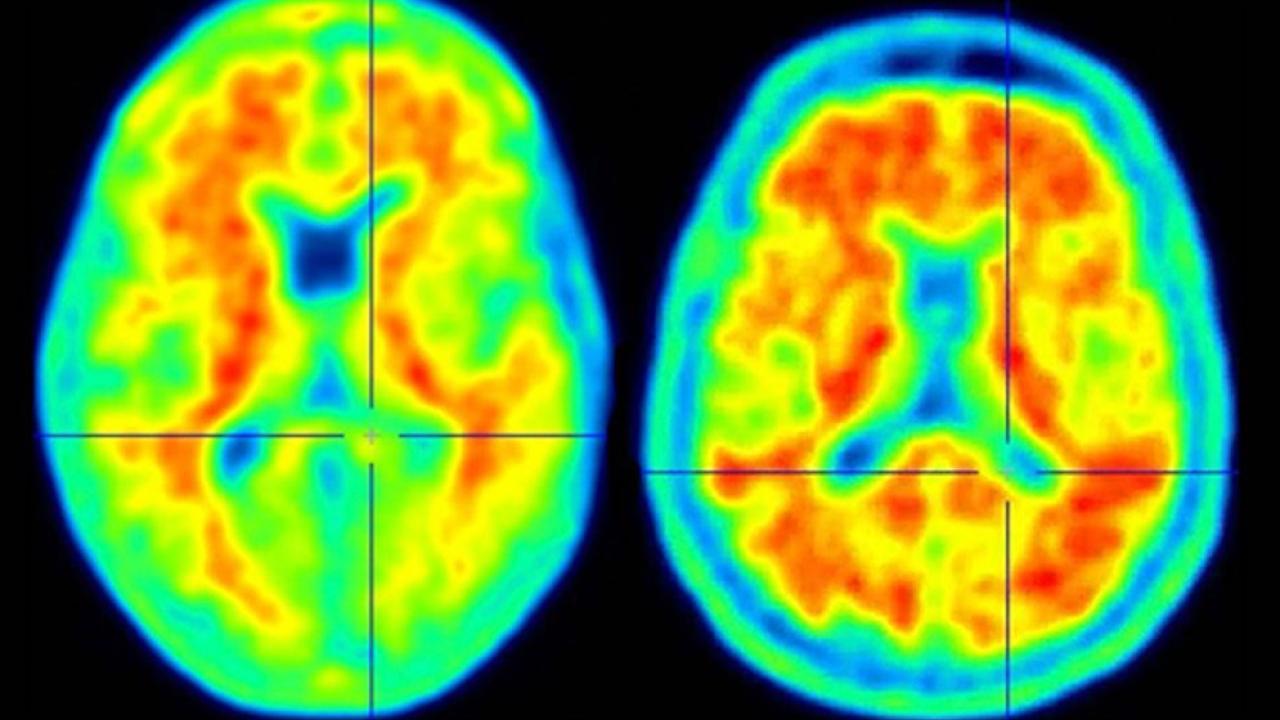
Our laboratory is investigating the mechanism of memory disruption and synaptic dysfunction in Alzheimer's Disease. We use a combination of cell culture and transgenic animal approaches in an attempt to understand why the overexpression of the amyloid precursor protein (APP) or direct application of its active peptide, A-beta, inhibits intracellular signaling in neuronal cells and leads to alterations of electrical activity, dendritic spine morphology and behavior. These results are extended with analyses of neurons taken from post-mortem Alzheimer's Disease brains. In the past two years our attention has been on the PKA-CREB signaling pathway and on the role of ubiquitin c-terminal hydrolase-L1 (Uch-L1) in regulating these events. We have used both drugs and protein transduction techniques to show that A-beta induced changes, both in culture and in the animal, can be reversed by restoring these pathways to their normal "balance". Other projects involve the induction of neurogenesis in neural stem cells by A-beta raising the possibility of an endogenous repair mechanism in AD, and the analysis of the action of the ginkgolides on neuronal function. The laboratory approaches these questions with a wide range of tools including biochemistry, cell biology, physiology and microscopy.
Selected Publications

1. Smith DL, Pozueta J, Gong B, Arancio O, Shelanski ML. Reversal of long-term dendritic spine alterations in Alzheimer disease models. Proc Natl Acad Sci U S A. 2009 Sep 29;106(39):16877-82. Epub 2009 Sep 14.

2. Vitolo O, Gong B, Cao Z, Ishii H, Jaracz S, Nakanishi K, Arancio O, Dzyuba SV, Lefort R, Shelanski ML. Protection against beta-amyloid induced abnormal synaptic function and cell death by Ginkgolide J. Neurobiol Aging. 2009 Feb;30(2):257-65. Epub 2007 Jul 20.

3. Lopez-Toledano MA, Shelanski ML. Increased neurogenesis in young transgenic mice overexpressing human APP(Sw, Ind). J Alzheimers Dis. 2007 Nov;12(3):229-40.

4. Padmanabhan J, Brown K, Shelanski ML. Cell cycle inhibition and retinoblastoma protein overexpression prevent Purkinje cell death in organotypic slice cultures. Dev Neurobiol. 2007 May;67(6):818-26.

5. Shrestha BR, Vitolo OV, Joshi P, Lordkipanidze T, Shelanski ML, Dunaevsky A. Amyloid beta peptide adversely affects spine number and motility in hippocampal neurons. Mol Cell Neurosci. 2006 Nov;33(3):274-82. Epub 2006 Sep 8.

6. Gong B, Cao Z, Zheng P, Vitolo OV, Liu S, Staniszewski A, Moolman D, Zhang H, Shelanski ML, Arancio O. Ubiquitin hydrolase Uch-L1 rescues beta-amyloid-induced decreases in synaptic function and contextual memory. Cell. 2006 Aug 25;126(4):775-88.

7. Gong B, Vitolo OV, Trinchese F, Liu S, Shelanski ML, Arancio O. Persistent improvement in synaptic and cognitive functions in an Alzheimer mouse model after rolipram treatment. J Clin Invest. 2004 Dec;114(11):1624-34.

8. Davidson TJ, Harel S, Arboleda VA, Prunell GF, Shelanski ML, Greene LA, Troy CM. Highly efficient small interfering RNA delivery to primary mammalian neurons induces MicroRNA-like effects before mRNA degradation. J Neurosci. 2004 Nov 10;24(45):10040-6. Erratum in: J Neurosci. 2005 Feb 2;25(5):1311.

9. Moolman DL, Vitolo OV, Vonsattel JP, Shelanski ML. Dendrite and dendritic spine alterations in Alzheimer models. J Neurocytol. 2004 May;33(3):377-87.


Honors and Awards

1970-1971, 1973-1974 NINDS Teacher-investigator Award

1973-1974 Guggenheim Foundation Fellow

1995-2001 Jacob Javits Neuroscience Investigator Award

1999-present Member, Institute of Medicine, National Academy of Sciences

Committees , Council, and Professional Society Memberships

1974-1978 Member, Neurology A Study Section

1985-1992, 1999, 2000 Alzheimer's Association

1987-1990 Member, Pharmacological Sciences Study Section, NIGMS

1998, 1999 Special Study Sections for Udall Parkinson's Disease Centers

2000 Special Review Panel, BDCN Study Sections, C SR/NIH

Member, American Association of Neuropathologists

Keywords

Alzheimer's disease, amyloid protein, cyclic AMP, cysteine endopeptidase, enzyme activity, long term potentiation, neural degeneration, neuropathology, protein kinase A, cAMP response element binding protein, cell differentiation, cell growth regulation
top
 
 
Contact the Pathology Webmaster at webmaster@pathology.columbia.edu