Research Faculty

Address
630 West 168th Street
P&S 12-420D
New York, NY 10032


Phone: 212-342-0533
Fax: 212-342-9096

oa1@columbia.edu
Education and Training
1981 M.D., University of Pisa, School of Medicine.
1991 Ph.D., University of Verona.

Affiliations
Pathobiology
Ottavio Arancio, M.D., Ph.D.
Associate Professor of Pathology & Cell Biology
Research Summary

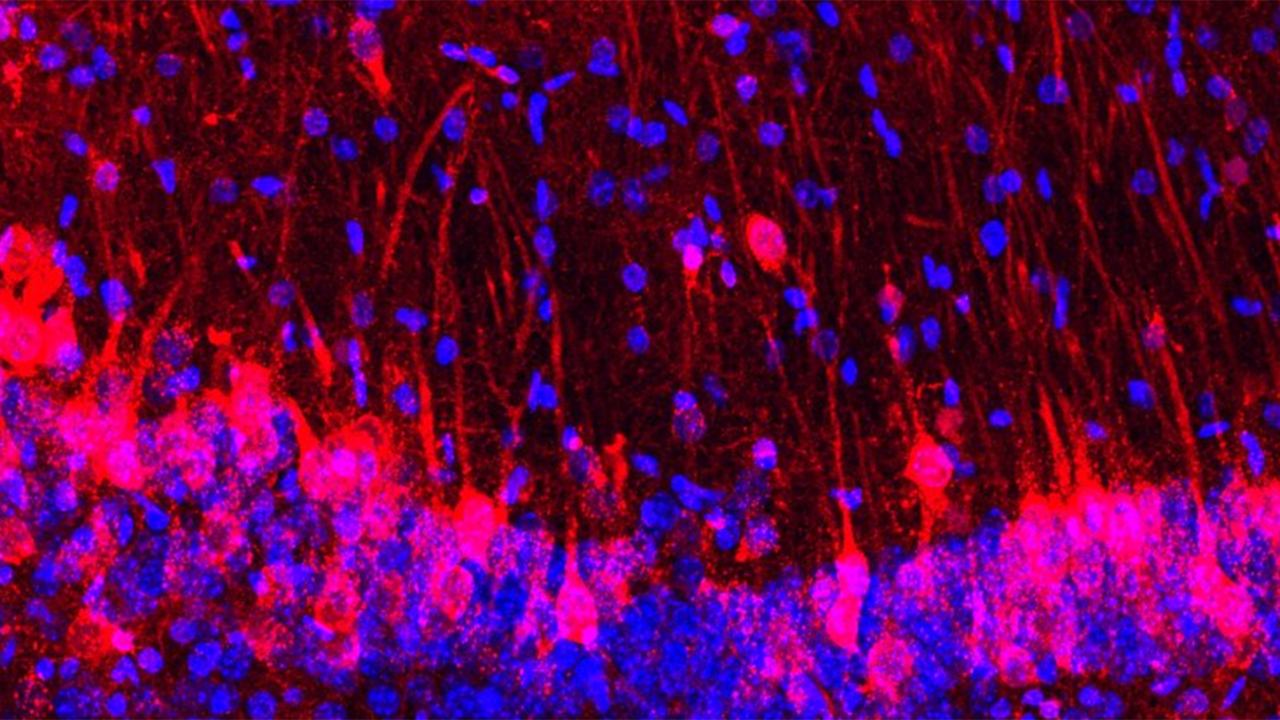
Research in my laboratory stems from my life-long commitment to studying mechanisms of synaptic plasticity. I am interested in the cellular and molecular mechanisms that underlie long-lasting changes of synaptic function in both normal, healthy brains and in the brains of those affected by neurological disorders, in particular Alzheimer's disease (AD). Research in my laboratory has focused on the mechanisms by which amyloid-β (Aβ) peptides interfere with both memory formation and the regulation of hippocampal long-term potentiation (LTP), an activity-dependent model of synaptic plasticity that is thought to be related with learning and memory. I am interested in how regulation of gene activation and silencing, post-translational mechanisms, channel opening, intracellular calcium transients and changes in transmitter release machinery might participate in basal synaptic transmission and in synaptic plasticity. The research of my laboratory is answering the following questions:

1) How does Aβ elevation impair synaptic plasticity and memory? Experiments addressing this question examine Aβ-induced modifications in epigenetic and post-translational mechanisms.

Epigenetic mechanisms: We are exploring steps affected at the downstream level of CREB phosphorylation. CREB plays an important role together with CBP in gene transcription through histone acetylation leading to the loss of chromosomal repression and transcription of genes needed for synthesis of proteins underlying memory formation. Thus, we are investigating if reduced histone acetylation follows the reduction of CREB phosphorylation by Aβ elevation. Chromatin changes do not have to be necessarily limited to histone acetylation. As a mechanism which can "lock in" particular states of pathological gene expression in human cells, DNA methylation is an obvious candidate for contributing to the inexorably progression and irreversibility of AD in the middle to late stages of the disease. Additionally, DNA methylation may act early in AD, as some very recent work has shown that the proper regulation of gene expression in memory formation is not only controlled by the transcriptional machinery but also modulated by epigenetics. We are currently identifying genes that are differentially methylated following Aβ elevation.

Post-translational mechanisms: SUMOylation is a post-translational mechanism other than phosphorylation involving the covalent attachment of a small 11 kDA protein moiety, SUMO (Small Ubiquitin-like MOdifier), to substrate proteins. We are investigating if SUMOylation plays a role in learning and memory. We are also investigating whether it is modified following Aβ elevation and if by re-establishing normal SUMOylation one can revert synaptic and cognitive dysfunctions in AD mouse models. .

2) Does Aβ play a critical positive role in synaptic plasticity and memory? Recent research performed in my laboratory has shown that low levels of Aβ similar to those present in the brains of healthy individuals throughout life, enhance LTP and memory. We are continuing these studies to explore the role of endogenous Aβ in LTP and memory. We are addressing the following questions: can we visualize release of endogenous Aβ and follow its fate in normal physiological conditions? Are changes in APP processing by the secretases or other changes in APP metabolism responsible for the increase in Aβ levels during synaptic activity? Does release of Aβ from intracellular pools account for the increase in Aβ following activity in the presynaptic terminal? Most importantly, a fundamental question originating from the discovery of a positive function for Aβ is: how does it happen that a molecule performing a positive function gains a new and negative function?

All this work would be incomplete without the goal to move each project forward to the stage where it not only provides new biological insights but also, when appropriate, serve as the basis for future development of new therapeutic strategies. Such translational research is enhanced by collaborations with medicinal-chemists, biotech specialists, pathologists and clinicians. These studies should lead to the design of novel therapeutic approaches that might be effective in preventing or delaying the onset of AD and other neurodegenerative diseases characterized by cognitive disorders.


Selected Publications

1. Puzzo, D., Staniszewski, A., Deng, S-X, Privitera, L., Leznik, E., Liu, S., Zhang, H., Feng., Y., Palmeri, A., Landry, D-W, Arancio, O. Phosphodiesterase 5 inhibition improves synaptic function, memory and Amyloid-beta load in an Alzheimer's Disease Mouse Model. J. Neurosci. 2009 29:8075-86.

2. Puzzo, D., Privitera, L., Leznik, E., Fa M., Staniszewski, A., Palmeri, A. Arancio, O. Picomolar amyloid-beta positively modulates synaptic plasticity and memory in hippocampus. J. Neurosci. 2008 28:14537-45

3. Trinchese, F., Fa M., Liu, S., Zhang, H., Hidalgo, A., Schmidt, S., Yamaguchi, H., Yoshii, N., Mathews, P., Nixon, R., Arancio, O. Inhibition of calpains improves memory and synaptic transmission in a mouse model of Alzheimer disease. J. Clin. Invest., 2008; 118: 2796-807.

4. Serulle, Y., Zhang, S, Ninan I., Puzzo, D., McCarthy, M., Khatri, L., Arancio, O. and Ziff, E.B. A novel GluR1-cGKII interaction regulates AMPA receptor trafficking. Neuron. 2007; 56: 670-88.

5. Ninan, I., Liu, S., Rabinowitz, D., Arancio, O. Early Presynaptic Changes during Plasticity in Cultured Hippocampal Neurons. EMBO J. 2006; 25: 4361-4371.

6. Gong, B., Cao, Z., Zheng, P., Vitolo, O.V., Liu, S., Staniszewski, A., Moolman, D., Zhang, H., Shelanski, M., Arancio, O. Ubiquitin Hydrolase Uch-L1 Rescues β-Amyloid-Induced Decreases in Synaptic Function and Contextual Memory. 2006; Cell 126: 775-788.

7. Yano, H., Ninan, I., Zhang, H., Milner, T.A., Arancio, O., Chao, M.V. BDNF-mediated neurotransmission relies upon a myosin VI motor complex. Nat. Neurosci. 2006; 9: 1009-18.

8. Gong, B., Vitolo, O.V., Trinchese, F., Liu, S., Shelanski, M., Arancio, O. Persistent improvement in synaptic and cognitive functions in an Alzheimer mouse model following rolipram treatment. J. Clin. Invest ., 2004; 114: 1624-1634.

9. Ninan, I., Arancio, O. Presynaptic CaMKII is necessary for synaptic plasticity in cultured hippocampal neurons. Neuron, 2004; 42: 129-141.

10. Liu, S., Ninan, I., Antonova, I., Battaglia, F., Trinchese, F., Narasanna, A., Kholodilov, N., Dauer, W., Hawkins, R.D., Arancio, O. α-synuclein produces a long-lasting increase in neurotransmitter release. EMBO J., 2004, 23: 4506-16.

Honors and Awards

1987
G. Moruzzi Fellowship, Fidia Research Foundation, Washington, D.C., USA

1990
Anna Villa Rusconi Foundation Prize, Varese, Italy
Fellowship, Fidia SPA, Abano Terme, Italy

1991
Fellowship, Fidia SPA, Abano Terme, Italy
INSERM Poste vert Fellowship, Paris, France

1994
Fellowship, University of Bologna, Bologna, Italy

1996
Chairperson, Society for Neuroscience, Washington, D.C., U.S.A.

2007
AHAF, Centennial Award
Alzheimer's Association, Zenith Award

2008
Margaret Cahn Research Award

Committees , Council, and Professional Society Memberships

Society for Neuroscience (USA)

I.B.R.O.

Italian Society for EEG and Clinical

Neurophysiology

Italian Society for Neuroscience

Italian Society for Physiology


top
 
 
Contact the Pathology Webmaster at webmaster@pathology.columbia.edu